
Successful social relationships demand much more than simply wanting friends. Pupils rely on:
- Executive function skills to plan, take turns, and adapt when things change
- Emotional regulation to manage frustration, disappointment, or rejection
- Perspective-taking to recognise how their words and actions affect others
When these underlying skills are underdeveloped, the result can look like “rudeness,” “immaturity,” or “attention-seeking behaviour.” In reality, these are signs that a pupil’s brain is working hard — and sometimes struggling — to keep up with the demands of social life.
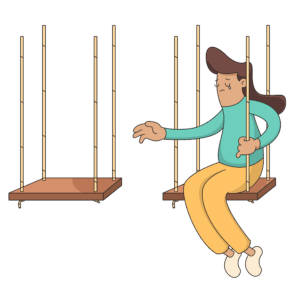 Friendship difficulties don’t stay in the playground. They affect self-esteem, wellbeing, and engagement with learning. Pupils who feel excluded or misunderstood are more likely to withdraw, act out, or disengage from classroom activities. Over time, this can have a lasting impact on both academic and personal outcomes.
As educators, understanding the brain science behind friendships gives us a powerful lens. Instead of asking, “Why can’t this child get along with others?”, we can ask, “What skills does this child need support with?”
The good news is that these skills can be taught and nurtured. In our upcoming CPD webinar, Why Are Friendships So Hard?, we’ll explore:
- How to recognise the executive function skills underpinning social success
- Classroom strategies to help pupils manage emotions and build empathy
- Practical ways to scaffold positive peer interactions
- Approaches to create inclusive environments where all pupils can connect.